
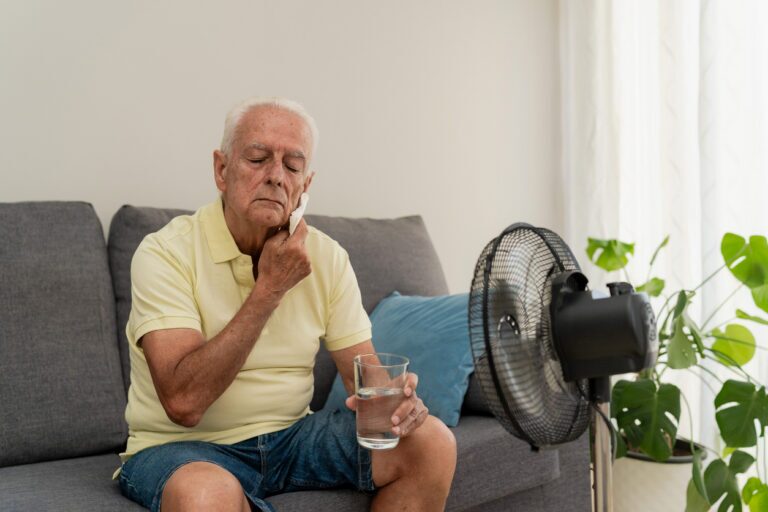
Summer brings sunshine, family gatherings and cookouts, gardening, walks outside, and all the long-awaited opportunities to enjoy the season. But for older adults, warmer temperatures can also bring serious health risks that should never be ignored.
As temperatures rise across the country, healthcare professionals are seeing increasing concerns related to dehydration, heat exhaustion, heat stroke, sun exposure, and tick-borne illnesses, especially among seniors. While many people think of these dangers as “minor summer issues,” they can quickly become life-threatening for older adults.
Why Seniors Are More Vulnerable to Heat
According to the Centers for Disease Control and Prevention (CDC), adults age 65 and older are at a much greater risk for heat-related illnesses because the body becomes less efficient at regulating temperature as we age.
Even mild dehydration can lead to dizziness, weakness, confusion, urinary tract infections, falls, and even hospitalization.Several factors contribute to this increased risk:
- Older adults may not sense thirst as quickly as younger people
- Certain medications can affect sweating and hydration
- Chronic conditions like heart disease, diabetes, and kidney disease can worsen heat sensitivity
- Mobility limitations may make it difficult to cool down quickly
- Seniors living alone may not recognize symptoms until they become severe
The Dangerous Reality of Dehydration and Heat Stroke
Heat-related illnesses are far more serious than many people realize and are one of the big hidden hazards of an otherwise lovely day. Even a nice dip in the swimming pool can give cause to remain alert, as the cool water can delay or mask the warning signs of heat stroke.
The CDC reports that heat stroke is the most severe form of heat illness and can cause permanent disability or death if emergency treatment is delayed. During heat stroke, body temperature can rise to 106°F or higher within minutes!
Researchers have found the South and here in the Midwest, and specifically in Indiana, we see a significant uptick in ER visits due to heat stroke and dehydration.
If someone appears confused, loses consciousness, or has a very high body temperature, call 911 immediately. Symptoms of heat exhaustion and heat stroke may include:
- Dizziness or fainting
- Headaches
- Nausea or vomiting
- Rapid heartbeat
- Muscle cramps
- Extreme fatigue
- Confusion or unusual behavior
- Hot, dry skin or excessive sweating
- Difficulty walking or speaking
Research from the National Institutes of Health also shows that older adults experience significantly higher rates of heat-related illness during summer months, especially during prolonged heat waves.
You can review additional data and state-specific annual trends by visiting the CDC Heat-Related Emergency Department Visits Report or the American Progress Extreme Heat Report regarding older adults.
Simple Ways Seniors Can Stay Cooler and Safer

Fortunately, many heat-related illnesses can be prevented with simple daily habits.
1. Drink Water Regularly, Even Before Feeling Thirsty
One of the most important summer safety habits is consistent hydration. For seniors on fluid restrictions or diuretics, it’s important to speak with a healthcare provider about safe hydration goals.
Encourage seniors to:
- Sip water throughout the day
- Carry a refillable water bottle
- Eat hydrating foods like watermelon, cucumbers, strawberries, and oranges
- Avoid excessive caffeine and alcohol, which can contribute to dehydration
- Wear a hat – choose ‘breathable’ styles such as wide-brimmed straw or canvas, breathable mesh, or specialized cooling hats. Light colors are best
2. Stay Indoors During Peak Heat
The hottest part of the day is typically between 10 a.m. and 4 p.m.
During extreme heat:
- Spend time in air-conditioned spaces
- Use fans alongside air conditioning
- Visit libraries, shopping centers, or community cooling centers if needed
- Keep blinds or curtains closed during the afternoon
3. Dress for the Weather
Loose-fitting, lightweight, and light-colored clothing helps the body stay cooler.
Wide-brimmed hats and UV-protective sunglasses can also help prevent overheating and sun damage outdoors.
4. Use Cooling Products Outdoors
Several helpful products can make outdoor activities safer and more comfortable for seniors during summer months.
Cooling towels and wearable fans can provide meaningful comfort during outdoor events, gardening, walks, or family gatherings. Popular options include:
- Cooling Towels by Frogg Togg
- Neck Fans – Buyer Reviews
- Mission Cooling Hats and Apparel
- Insulated Water Bottles by Stanley
- Portable Shade Canopies by Coleman
Sunscreen Is Not Optional
Many seniors underestimate the importance of sunscreen, especially if they are “just outside for a little while.”
Aging skin is more vulnerable to sun damage. Excessive sun exposure increases the risk of:
- Skin cancer
- Painful burns
- Premature aging
- Heat-related illness
Experts recommend:
- Broad-spectrum SPF 30 or higher
- Reapplying every two hours outdoors
- Wearing protective clothing and hats
- Seeking shade whenever possible
Excellent sunscreen options for sensitive or aging skin include:
- Neutrogena Ultra Sheer Sunscreen
- CeraVe Hydrating Mineral Sunscreen
- Blue Lizard Sensitive Mineral Sunscreen
Don’t Forget Bug Protection – Tick Activity Is Rising
This year, healthcare experts are warning about unusually high tick activity across many parts of the United States. Early CDC data has shown emergency room visits for tick bites are already elevated compared to previous years.
Ticks can carry dangerous illnesses including:
- Lyme Disease
- Rocky Mountain Spotted Fever
- Babesiosis
- Alpha-gal syndrome, a serious red meat allergy linked to lone star tick bites
Seniors may be particularly vulnerable because symptoms can become severe more quickly than in younger people.
To reduce risk:
- Wear long sleeves and pants in wooded or grassy areas
- Use EPA-approved insect repellents containing DEET or picaridin
- Check skin, clothing, and pets for ticks after spending time outdoors
- Shower soon after coming inside
Helpful bug protection products include:
- OFF! Deep Woods Insect Repellent
- Sawyer Picaridin Insect Repellent
- Permethrin Clothing Treatment by Sawyer
Check on Loved Ones Frequently
One of the most important things families and caregivers can do during hot weather is simply check in.
A quick phone call or visit can help identify warning signs early:
- Fatigue
- Confusion
- Reduced appetite
- Dry mouth
- Weakness
- Dark urine
- Trouble walking safely
Social isolation significantly increases the risk of heat-related illness among seniors. A caring conversation could save a life.
Enjoy the Season…Safely
Summer should still be a time filled with joy, sunshine, and meaningful moments. With a few precautions and greater awareness, seniors can safely enjoy everything the season has to offer while protecting their health and independence.
We are committed to helping seniors and families navigate every season with compassion, education, comfort, and dignity. By staying hydrated, protected, and informed, older adults can continue to live safely and fully throughout the summer months.